Anecdote or Survey: What Each Can Establish
Anecdote or survey: learn how personal accounts and survey responses serve different roles in public debate, and choose the right source for your question.
The common mistake in an anecdote or survey debate is treating a personal story as a vote, or survey answers as a full account of someone’s life. That can silence useful detail or make a set of responses sound more revealing than it is. An anecdote offers a close view of an individual experience; a survey organises answers to questions asked of a group.
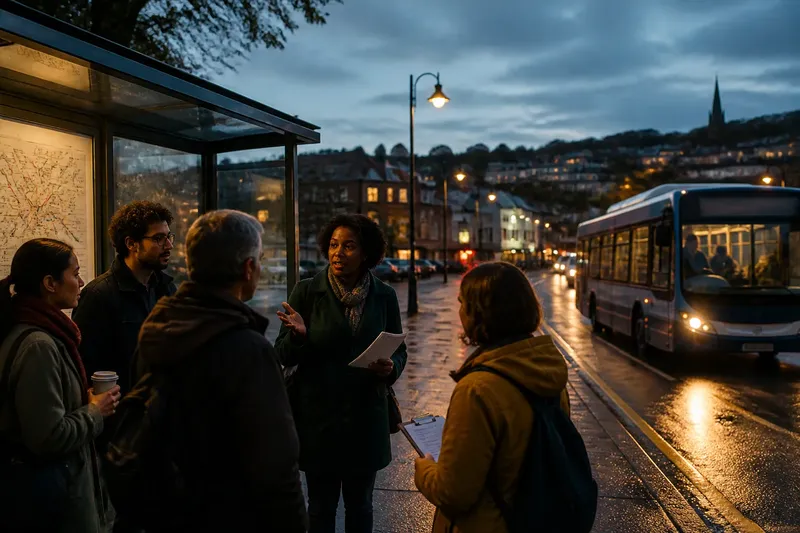
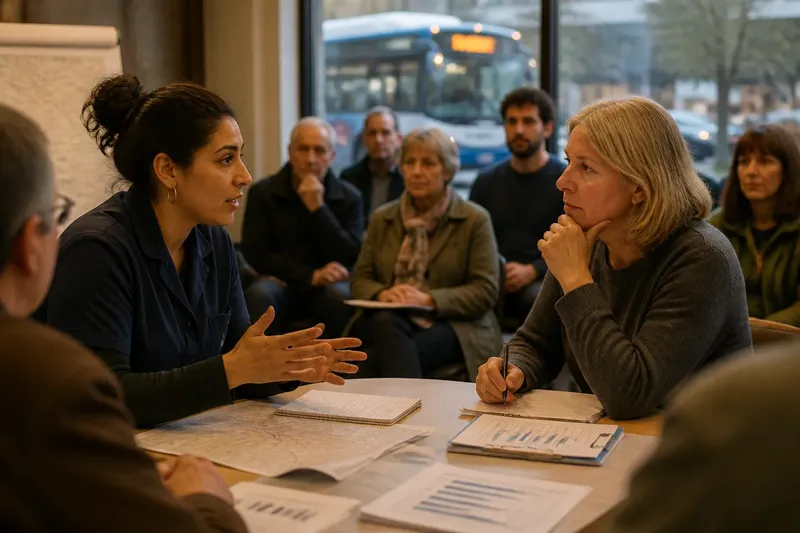
Imagine a local council is considering reducing late buses. At a public meeting, Leila says she depends on the last service after a care shift. A community group has also asked residents about their evening journeys. The useful question is not which source wins, but what each lets people discuss: a particular experience, or answers to a shared set of questions.
An anecdote brings an individual experience into the debate
Leila can describe when her shift ends, where she boards and what other ways home are available to her. That account gives the council concrete points to discuss, such as whether a timetable change would leave her waiting or require a difficult transfer.
It also gives Leila room to explain details a standard survey question might not ask about. Her account is hers, though; it cannot speak on behalf of every late passenger. That boundary is not a reason to ignore it. It is a reason to hear it as an individual contribution rather than a tally of public opinion.
A survey makes answers comparable across respondents
A survey asks people a set of questions and gathers their replies in a form that can be compared. The community group might ask whether respondents travel on the route after a certain time, what they use it for and what alternatives they can reach. Readers should be able to see who was invited, how questions were worded and whose replies the group is describing.
Those details shape what the answers mean. A survey asking whether people “support cutting late buses” does not ask exactly the same thing as one that first describes the proposed timetable and asks how it would affect respondents’ journeys. Fixed answer options may also leave out a reason or circumstance that matters to a respondent.
A survey can make it easier to compare replies to the questions it asked. It does not give each respondent the room to explain their whole situation. If the group wants that context, it can invite people to add comments or follow up with interviews.
Choose between an anecdote and a survey by the purpose
Start by deciding what people should be able to contribute. If the discussion needs to hear how a change could affect someone’s journey, an anecdote can put that experience on the table. If it needs comparable answers to the same questions, a survey can organise those replies. Neither format does the other’s job.
- If the purpose is to hear a particular experience: invite a person to describe the relevant journey or decision; if the account is about one person, present it as that person’s experience rather than a claim about everyone.
- If the purpose is to compare answers: use the same clear questions for respondents; if the questions change or the answer options omit a relevant choice, revise them before drawing comparisons.
- If the purpose is to discuss reasons: invite explanation through a comment or follow-up conversation; if replies remain too brief to clarify a reason, do not present that reason as established.
- If the purpose is to discuss a proposed timetable: distinguish current journeys from people’s expectations about a change; if a reply describes a prediction, present it as a concern or expectation.
- If the purpose is to describe whose replies are included: state who was invited and who responded; if those details are missing, describe the replies without speaking for a wider group.
- If the purpose is to make room for different circumstances: check whether people can describe needs the questions may not anticipate; if they cannot, add an open response or invite separate accounts.
Say the group’s survey asks respondents whether they can reach another stop after their evening journey, while Leila describes the route she takes after work. The survey gives the council a set of replies to the same question; Leila gives it a detailed account of one route. The council can use both formats in its discussion, while keeping their distinct contributions clear.
Which source suits the question you want to ask?
Can an anecdote represent other people?
It represents the person whose experience is being shared. If you want other people’s views, invite them to contribute rather than treating one account as their answer.
What does a survey add to a public discussion?
It gives respondents a shared set of questions and makes their replies easier to compare. Readers need to know who was invited and what the questions asked to understand the replies.
Can survey comments include personal stories?
Yes. An open response can let someone describe their circumstances in their own words. Present it as that respondent’s account, not as a substitute for all the survey replies.
What if a survey answer conflicts with an anecdote?
Check whether they address the same question: one may describe an individual circumstance while the other records replies to a general prompt. If they do address the same question, show both contributions clearly rather than editing either one to make them agree.
Keep each source’s role clear
In the bus discussion, Leila’s account lets her explain her own journey, while the survey gives respondents a common set of questions to answer. When discussing an anecdote or survey, name which source is being used and what kind of contribution it offers. That small distinction helps people take part without asking one format to stand in for another.